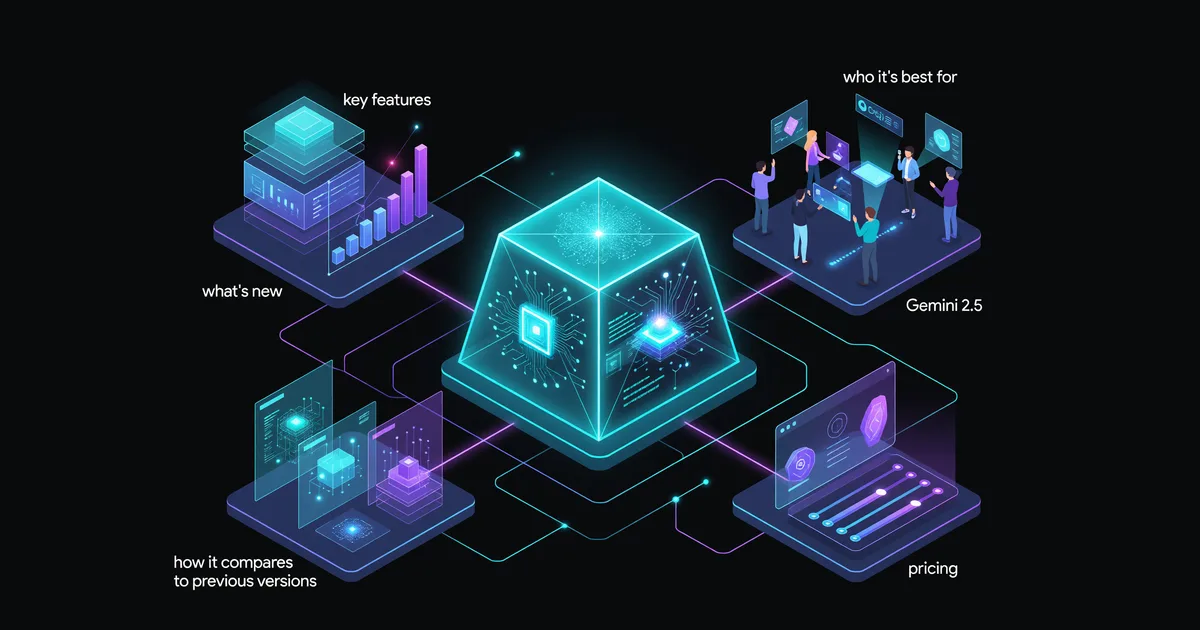
Google Gemini 2.5: Everything You Need to Know
Complete guide to Google Gemini 2.5. Learn what's new, key features, how it compares to previous versions, pricing, and who it's best for.
Google's AI models have been on quite a journey. If you've been following the space, you know how fast things move in AI. Just when you think a model is cutting-edge, something new launches. That brings us to Gemini 2.5, Google's latest flagship model that's turning heads across the AI community.
Whether you're a developer, content creator, business owner, or just AI-curious, you're probably wondering: what's the big deal with Gemini 2.5? How does it actually work? Should you switch from whatever you're using now? Let's break it down in plain language.
What Exactly Is Google Gemini 2.5?
Gemini 2.5 is Google's most advanced AI model to date. Think of it as a super-smart assistant that can understand and work with text, images, video, and audio all at the same time. Unlike earlier versions, Gemini 2.5 doesn't just process one type of information—it seamlessly blends them together.
When we say it's "multimodal," that's the technical term. But here's what it really means: you can show it a picture of your garden, ask it to identify the plants, suggest improvements, and even draft a landscaping plan—all in one conversation. No copying and pasting between different tools. Just one model doing all of that.
Key insight: Gemini 2.5 represents a shift toward more unified AI. Google built this model to think across different types of information the way humans naturally do. That's the real breakthrough.
Keep reading
 Guides
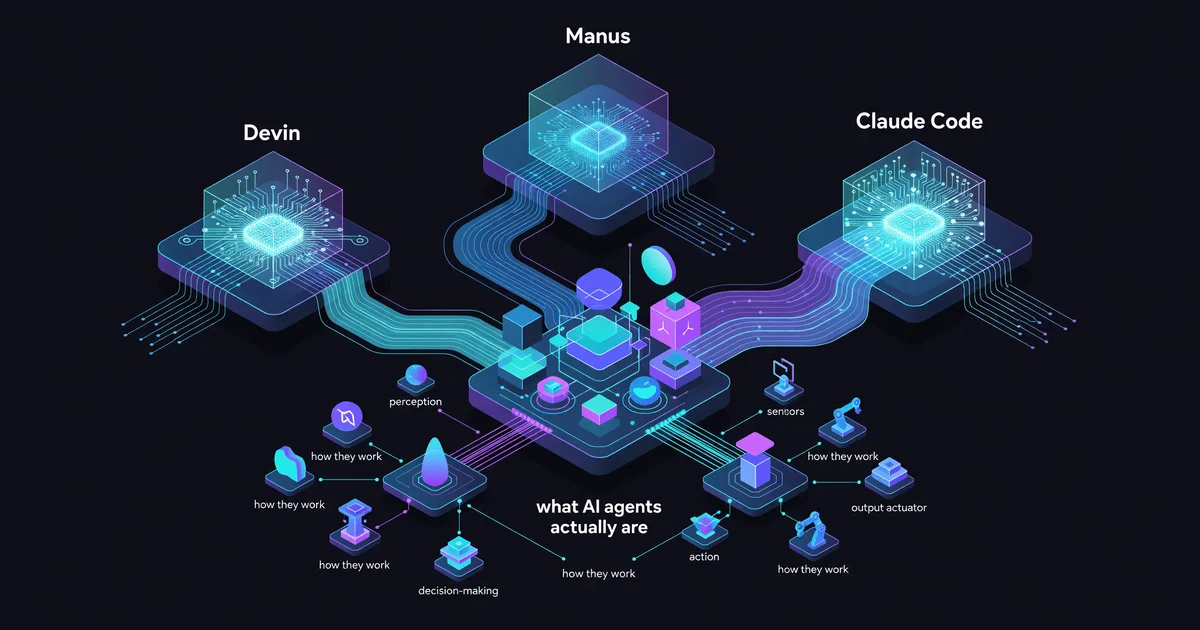
AI Agents Explained: What They Do and Why It Matters
Understand what AI agents are, how they work, and why they're transforming workflows. Learn about autonomous AI agents like Devin, Manus, and Claude Code.
 Guides
Claude Riemann Hypothesis Result: 41.6% to 67.2%
Anthropic says an unreleased Claude raised the proven fraction of Riemann zeta zeros on the critical line from 41.6% to 67.2%. Here is what that means.
 Guides
Gemini Robotics 2 and Whole-Body Intelligence
Google DeepMind's Gemini Robotics 2 claims whole-body control of a humanoid. What that means, and how NVIDIA, Physical Intelligence and Mistral compare.