Writing · Head-to-head
DeepL vs Grammarly
DeepL vs Grammarly: Freemium — Free tier + Starter €8.74/mo vs Freemium. Side-by-side features, pricing, and which to pick.
The verdict
Pick DeepL if…
- →you want our editor's pick for this category
- →your primary use case is businesses and individuals translating text and documents across european languages who need natural phrasing and consistent brand terminology.
- →you need: development
Pick Grammarly if…
- →your primary use case is writers and teams who want real-time grammar checking, tone adjustment, and ai rewriting across every site and app via a browser extension.
Side-by-side specs
| Spec | DeepL | Grammarly |
|---|---|---|
| Category | Writing | Writing |
| Pricing model | freemium | freemium |
| Headline pricing | Freemium — Free tier + Starter €8.74/mo | Freemium |
| Free tier | 5,000 characters per translation, 3 document translations per month, basic Write features | Basic grammar and spelling checks free forever |
| AI Score | 9/10 | 9/10 |
| Best for | Businesses and individuals translating text and documents across European languages who need natural phrasing and consistent brand terminology. | Writers and teams who want real-time grammar checking, tone adjustment, and AI rewriting across every site and app via a browser extension. |
| Editor's pick | ✓ Yes | — |
| Use cases | content-creation productivity development | content-creation productivity |
| Date added | 2026-04-30 | 2025-05-01 |
Pros and cons

DeepL
Writing · freemium
Pros
- ✓Most natural-sounding translations available, especially for European languages
- ✓DeepL Write adds genuine value as a monolingual writing assistant
- ✓Developer API with generous free tier (500K chars/mo) and clear per-character pricing
- ✓Document translation preserves formatting across PDF, DOCX, and PPTX
Cons
- ×Language coverage narrower than Google Translate (30+ vs. 130+)
- ×Write feature limited to a handful of languages compared to Grammarly's breadth
- ×Free tier character limit (5,000) can feel restrictive for long documents
- ×Less effective for non-European language pairs like Japanese-to-Arabic
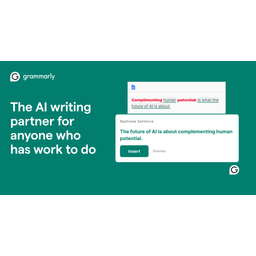
Grammarly
Writing · freemium
Pros
- ✓Works everywhere via browser extension
- ✓Most accurate grammar checking available
- ✓Excellent tone detection and adjustment
- ✓Generous free tier
Cons
- ×Generative AI features require Premium
- ×Can be overly aggressive with suggestions
- ×Privacy concerns with cloud processing
- ×Premium pricing adds up for teams
Related comparisons
Updated 2026-04-30. Spec data sourced from official product pages and tracked in our public directory at /tools.