Run Parallel Agents on GPT-6 Astra Pro
OpenAI's post says multiple agents can split one task in parallel, with progress you follow and finished work you open.
"Multiple agents can tackle different parts of a task in parallel," OpenAI's post says about GPT-6 Astra Pro in ChatGPT, in the same update that adds faster responses and improved use of plugins and tools.
The parallel sentence and the sentence after it, about following progress and opening completed tasks, are the two lines in the post this guide follows.
You follow each agent's progress, and you open completed tasks to review their work. That second instruction is how the post tells you to supervise the run.
Trace the sentence to its post
OpenAI wrote the note. The last-edited time on it reads 8:27 PM on Oct 16, 2026, and that stamp belongs to the same OpenAI post that carries the parallel-agent line.
The note is a product announcement. The conditions you can verify from it are the author, the edit stamp, and the sentences packed into the update.
Multiple agents can tackle different parts of a task in parallel. You can follow each agent's progress and open completed tasks to review their work.
The sentence above that quote says GPT-6 Astra Pro in ChatGPT got an upgrade with faster responses and improved use of plugins and tools.
Read the order. First the product name and the speed and tools upgrade. Then the parallel agents. Then the two things you do: follow progress, and open completed work.
The post says the upgrade is available to Pro users in the Chat tab.
| Words in the post | What you do with them |
|---|---|
| Faster responses | Take speed as OpenAI's description of this upgrade |
| Plugins and tools | Read the phrase as improved use of plugins and tools |
| Different parts of a task | As a writing method, name each part and its output in one message |
| In parallel | Treat the parts as work tackled together |
| Each agent's progress | Follow the workers while the task runs |
| Completed tasks | Open each finished task and review the work |
Limit the claim to task parts
Take the parallel sentence apart by its nouns and its adverb. Agents, more than one. Parts, and the parts are different. A task, singular, so the parts belong to one job. In parallel, so the parts are underway together.
The quantity word in the sentence is multiple.
A part is a slice you can hand off with a clear output. It stays inside the same task, which is why flights, lodging, and an itinerary belong in one trip message. A second, unrelated question is a second task, and it should go in its own message so the parallel sentence still refers to parts of one job.
Write the parts into the message so you can point at them later. Named outputs show the split. A single vague verb hides it.
These three messages are templates. Change the topic and the sizes to the job you have.
One task, three parts. Part A: two flight options for Austin to Denver on a weekday. Part B: two lodging options near downtown under a nightly cap you set. Part C: a three-day itinerary that uses A and B.
One task, three parts. Part A: five public sources on the topic, with titles and links. Part B: an outline of six headings. Part C: a draft of about 400 words that follows the outline.
One task, three parts. Part A: tests that describe the behavior you want. Part B: the patch. Part C: a short explanation of what the patch changes.
The counts inside those templates are yours: two options, five sources, six headings, about 400 words, three days. Change every one of them so the part matches the job in front of you. They make the later review concrete, because you will compare the opened task with a size you chose.
Make each part assignable in its own lines of the message. Part C of the trip template says it uses A and B, which is a dependency you should keep light. If C cannot start until A and B are both finished, you have written a sequence. The parallel sentence is about parts tackled together, so give C enough to draft a skeleton itinerary while A and B fill in options. Tell C to revise once those options exist if you want a second pass. The second pass is a later message after review. The first message should still contain parts that can move at the same time.
Label the parts with letters or short names. When you follow each agent's progress, match the agent to Part A, Part B, or Part C. The label is how you keep the workers straight while they run together.
Tackle means the agent does that part. Put the inputs inside the part: cities, dates, the cap, the behavior the tests should describe, the length of the draft. A part that depends on a detail you left in your head is a weak handoff.
The plugin-and-tools clause is the previous sentence. The post attaches improved use to plugins and tools, and it attaches parallel work to agents and parts. When one part needs tools, say that in the part. Let the writeup be a different part. You are following both sentences, each one for the nouns it contains.
A message that asks for one deliverable has one part. Add a second named deliverable in that same message and the parallel sentence has different parts of one task to staff.
Separate progress from finished review
The post gives you two supervision moves, and they are separate moves. Follow each agent's progress while the work is in flight. Open completed tasks to review their work once a task is completed.
Each matters. Progress is per agent. The sentence says each agent's progress, so the thing you follow is tied to the worker. Follow each agent's progress, in the words the post uses for that step.
A completed task is something you open. Review means you read what the agent produced and set it next to the part you wrote. The verb the post gives you for the finished state is review, so the check sits with you after you open the task.
- Name every part in the task message, with the output that part should return.
- Send the one task message.
- While the run is going, follow each agent's progress and match it to the part label.
- Open each completed task.
- Review the work against the part name and the output you requested.
- Open completed tasks to review their work.
Walk the brief template as a checklist, with the outputs still unknown. During progress, follow each agent's progress and match the agent to the part label. When you open the sources task, check it against the part text you wrote for sources. When you open the outline task, check it against the part text you wrote for the outline. When you open the draft task, check it against the part text you wrote for the draft. Compare the opened task with the part text you wrote, and judge it on that text.
Walk the code template the same way. The tests part should read as tests. The patch part should read as a change to the code. The explanation part should describe that change in plain language. If the explanation only pastes the patch again, the part missed the output you named, and the miss is visible because the part was specific.
Walk the trip template with the same habit. The flights part should contain flight options. The lodging part should contain lodging options under the cap you typed. The itinerary part should be a day-by-day plan that refers to those options. Three opens, three comparisons, one parent task.
After the review, your next message can name the part and the gap. That follow-up is you acting on the review. The post assigns the opening and the review. The correction message is how you use what you found.
Progress is the live view. The opened task is the record you judge. The post lists them as separate actions in one sentence: follow progress, and open completed tasks to review their work. Status during the run is the follow step. The work product is the open step. Doing only the first leaves the sentence half finished.
Fit one workload to the split
Start from the work, then see whether the sentence applies. List the outputs you would have produced yourself with an afternoon. If that list has two or more items, you have different parts. If the list has one item, you have one part, and the parallel clause has a single slice.
Review time grows with the parts you create. The post has you open each completed task. A three-part trip is three opens and three reviews. A two-part errand is two. The post says the agents tackle different parts of a task in parallel, and you open completed tasks to review their work. Your afternoon still includes the reviews, because the post put them in your hands.
Faster responses are claimed in the upgrade sentence, beside improved plugins and tools. Treat faster as OpenAI's description of the responses in this upgrade. The post sets that description in the same update as parallel agents, progress you can follow, and completed tasks you can open.
The post leaves the dollar cost of a parallel run unstated.
Size each part for the attention you have. A part that asks for two flight options is a short review. A part that asks for a 400-word draft is a longer review. Both are completed tasks under the same instruction to open and review. Choose the part size in the message you send. That choice sets the review load.
The upgrade sentence names improved use of plugins and tools. The parallel sentence names multiple agents tackling different parts of a task. Keep the plugin wording on the upgrade sentence and the parallel wording on the agents sentence.
You can follow each agent's progress and open completed tasks to review their work. That is the line the post gives for supervision. Follow each agent's progress while the agents tackle different parts of a task in parallel, then open completed tasks and review their work against the part text.
The parallel line would be wrong if the 8:27 PM text from Oct 16, 2026 named one agent for the whole task. That text says multiple agents can tackle different parts of a task in parallel.
Keep reading
ChatGPT Slider and Think Button: How to Use Both
OpenAI put reasoning depth under your control in ChatGPT. Which tier gets which control, which setting fits which task, and when to leave both alone.
DeepSeek-V4-Flash API: Responses, Codex, Agent Setup
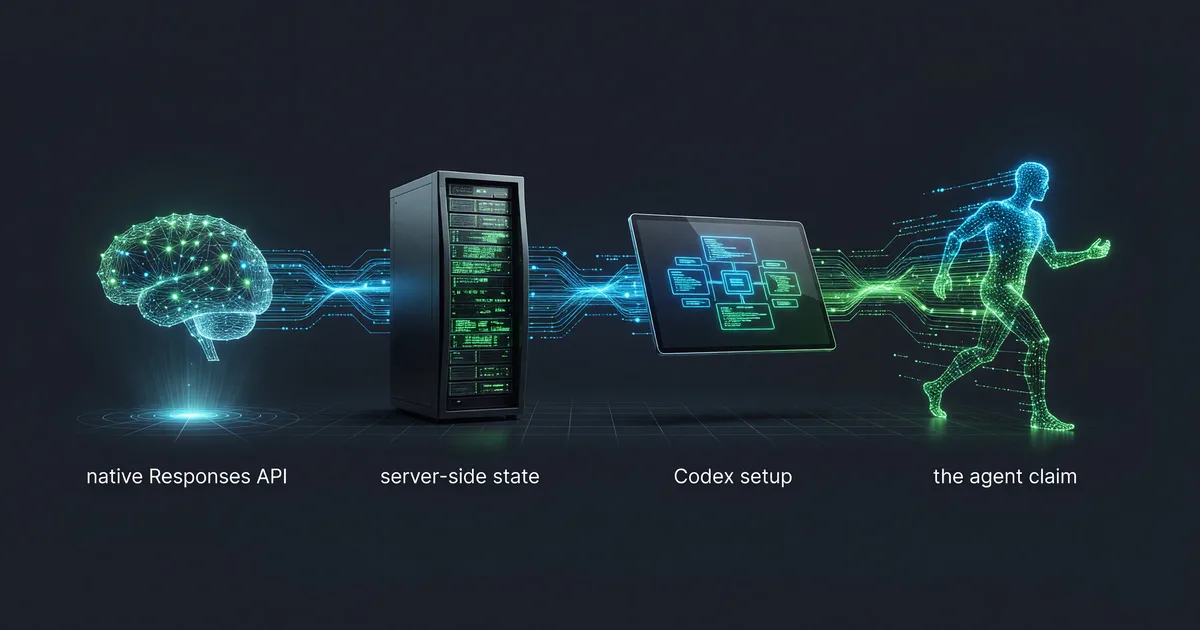
DeepSeek opened the V4-Flash public beta on July 31, 2026 with a native Responses API. Model ID, server-side state, Codex setup, and the agent claim.
DeepSeek-V4-Flash API: Setup, Model ID, Failure Modes
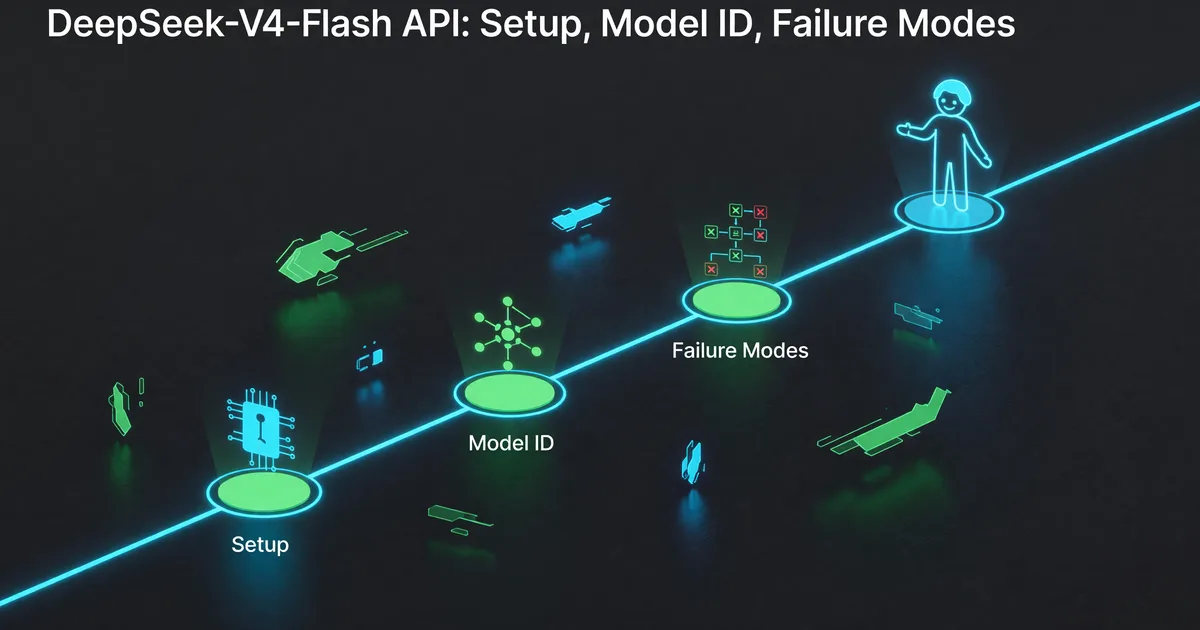
DeepSeek opened the V4-Flash API public beta on July 31, 2026. The shortest path to a working agent call, and the beta failures to plan around.